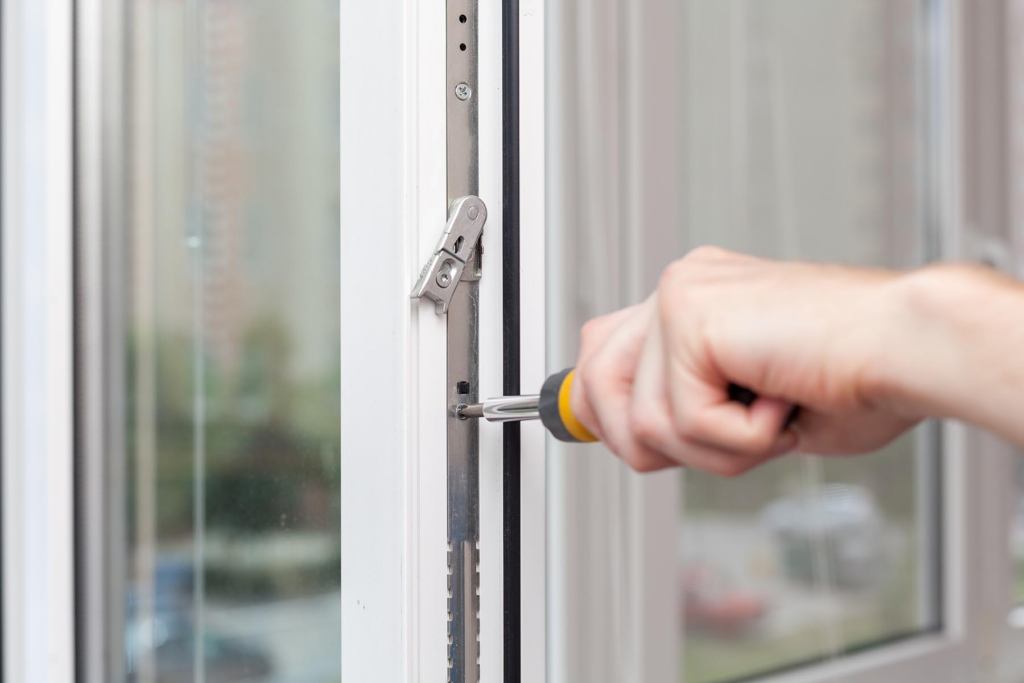
Residential Window Repair: A Comprehensive Guide
Windows are typically called the eyes of a house; they supply light, ventilation, and aesthetic appeal. However, with repairmywindowsanddoors , wear and tear or unanticipated accidents can make windows less appealing and practical. This article delves into the world of residential window repair, detailing typical issues, approaches for repair work, and when to think about replacement.
Typical Types of Window Damage
Comprehending the kinds of damage that can happen is vital for homeowners. Here are some common problems connected with residential windows:
| Type of Damage | Description |
|---|---|
| Cracked or Broken Glass | Often triggered by weather, accidents, or poor installation. |
| Fogged or Clouded Window | Wetness in between double-glazed panes resulting in a foggy appearance. |
| Rotting Frame | Wood frames susceptible to wetness damage or insect problem. |
| Drafts | Gaps in the seal around windows triggering air leakages. |
| Misaligned Windows | Windows that do closed or close appropriately due to structural concerns. |
| Degrading Caulk | Weather condition can cause caulking to break, allowing air and moisture in. |
When to Consider Repair vs. Replacement
Choosing whether to repair or replace a window can depend on a number of aspects:
- Age of the Window: Older windows might be more hard to repair due to outdated products.
- Extent of Damage: If the frame is rotten, replacement may be more feasible than repairs.
- Energy Efficiency: Older windows frequently lack modern insulation, preferring replacement for energy savings.
- Cost Consideration: Sometimes repair costs can approach the cost of replacement.
- Visual Appeal: For homes aiming for aesthetic upgrades, a new window may be more suitable.
To assist homeowners make a notified choice, the following table lays out the advantages and drawbacks of each alternative.
| Option | Advantages | Downsides |
|---|---|---|
| Repair | Economical for small issues; retains initial appeal | May just offer a short-lived fix |
| Replacement | Long-term service; improves energy efficiency | Higher upfront expenses; time-consuming |
Steps for Common Window Repairs
Cracked or Broken Glass
Repairing split or broken glass typically includes the following steps:
- Safety First: Always use protective gear like gloves and goggles.
- Get Rid Of Damaged Glass: Carefully remove any shattered glass pieces.
- Clean the Frame: Ensure no debris stays in the sash.
- Procedure and Cut New Glass: Use a glass cutter for accurate sizing.
- Fit Glass into Frame: Apply glazing putty, then press the new glass into position.
- Seal and Finish: Replace the points and smooth out the edges with extra putty.
Fogged Window Repair
Fogged windows generally require:
- Assessing the Seals: Check the seals on both sides of the unit.
- Defogging or Replacement: Use a desiccant material or, if seals are broken, change the whole window system.
- Re-Sealing: Apply new sealant to avoid future wetness entry.
Repairing Drafty Windows
Breezy windows can often be repaired through:
- Identify Gaps: Use a lit candle light to find air leaks.
- Apply Weatherstripping: Install adhesive or non-adhesive weather condition removing to impacted areas.
- Re-Caulking: Remove old caulk and reapply to make sure a tight seal.
Repairing Misaligned Windows
Fixing misaligned windows may involve:
- Identify the Cause: Look for loose screws or distorted frames.
- Tighten Hardware: Secure any loose screws or hinges.
- Adjust the Frame: Sometimes, straightening the frame can be accomplished by adjusting the stop and refitting the window.
Frequently Asked Questions about Residential Window Repair
1. How long does a normal window repair take?
Response: Most simple repair work can be finished within a few hours. However, substantial repair work may take longer, depending on the degree and nature of the work needed.
2. Can I repair my windows myself?
Response: Many homeowners can effectively complete basic repair work, like caulking or small glass replacements. More complicated concerns might require professional help.
3. How do I understand if I need to replace my windows?
Answer: If your windows are significantly harmed, drafty, or not energy-efficient, replacement may be the smarter choice.
4. What is the best product for window frames for durability?
Answer: Vinyl and fiberglass are known for their resilience and low maintenance, while wood provides timeless charm but might require more maintenance.
5. Exist energy-efficient alternatives available?
Answer: Yes, lots of manufacturers use energy-efficient windows with low-E glass, double-glazing, and appropriate insulation assists to lower energy consumption.
Residential window repair is a vital aspect of home maintenance, providing both functional and visual advantages. Property owners should be vigilant about indications of damage and comprehend when to try repairs versus when to pursue replacement. By knowing the common kinds of damage, the techniques of repair, and when to call in specialists, property owners can preserve the appeal and performance of their windows for years to come. Maintenance, early detection, and timely action will not only conserve cash in the long run however will likewise boost the convenience and energy performance of the home.